
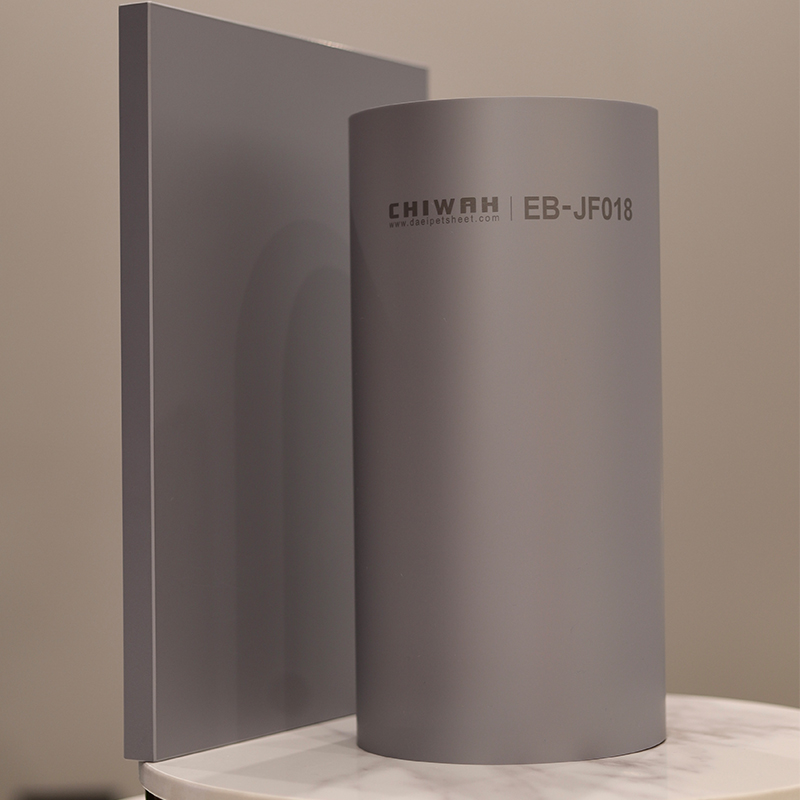
In recent years, with the continuous development of the home building materials market, various new materials have emerged in an endless stream, providing consumers with more choices. Among them, HMR board (High Moisture Resistant Board) has gradually attracted the attention and favor of the market due to its excellent moisture resistance and mechanical properties.
So, what are the advantages and disadvantages of HMR board? What are the differences compared with other common boards? This article will conduct an in-depth analysis of this.
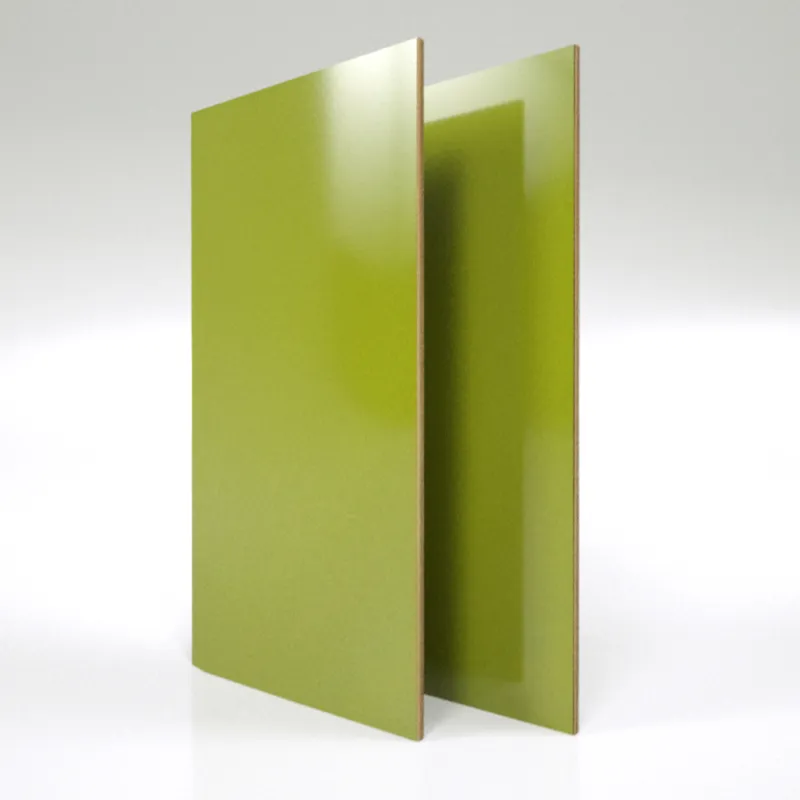
What are the advantages of HMR board?
Advantages of HMR board: excellent moisture resistance, high strength and high density, good processing performance, environmental protection performance and aesthetics.
1. Excellent moisture resistance
The biggest advantage of HMR board is its excellent moisture resistance. During the production process, HMR board is stabilized in high humidity environment by adding special moisture-proof agent, which is not easy to absorb moisture and expand. This feature makes HMR board particularly suitable for humid environments such as kitchens and bathrooms.
2. High strength and high density
HMR board has high density and strength, usually between 600-800kg/m³. This makes it excellent in load-bearing capacity and compression resistance, able to withstand large loads and frequent use, and has a long service life.
3. Good processing performance
HMR board has a smooth and flat surface, which is easy to carry out various processing, such as cutting, drilling, carving, etc. Its good processing performance makes it widely used in furniture manufacturing and decoration.
4. Environmental performance
In the production process of modern HMR board, low formaldehyde release adhesive is used, which meets environmental protection standards, reduces the impact on indoor air quality, and ensures the health and safety of the living environment.
5. Aesthetics
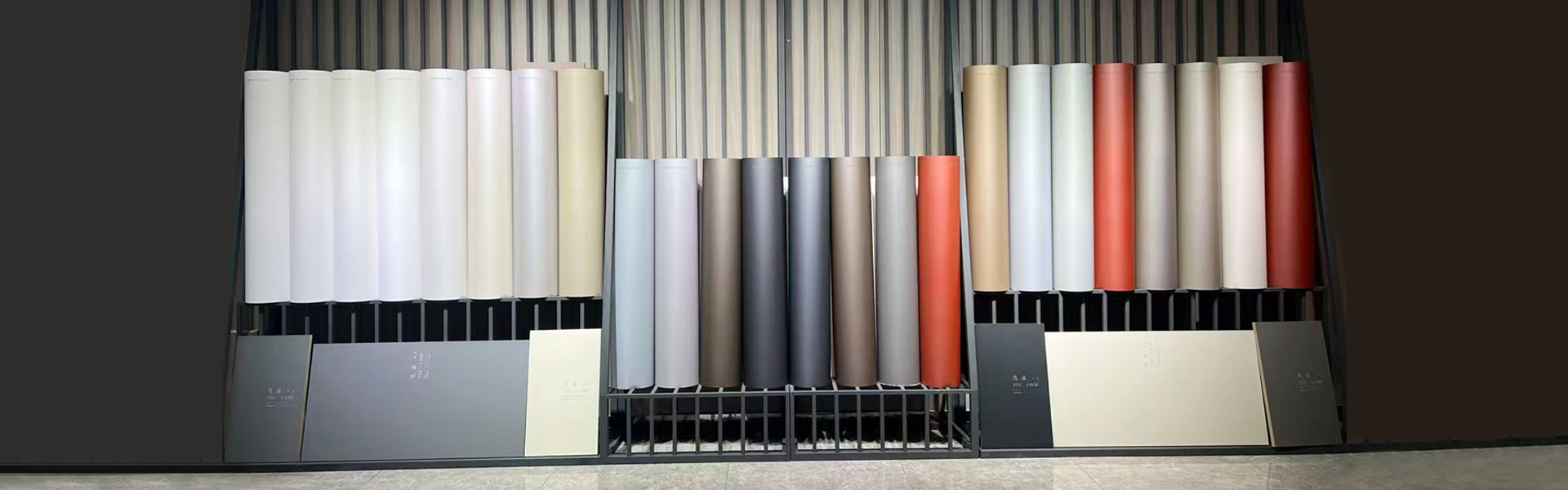
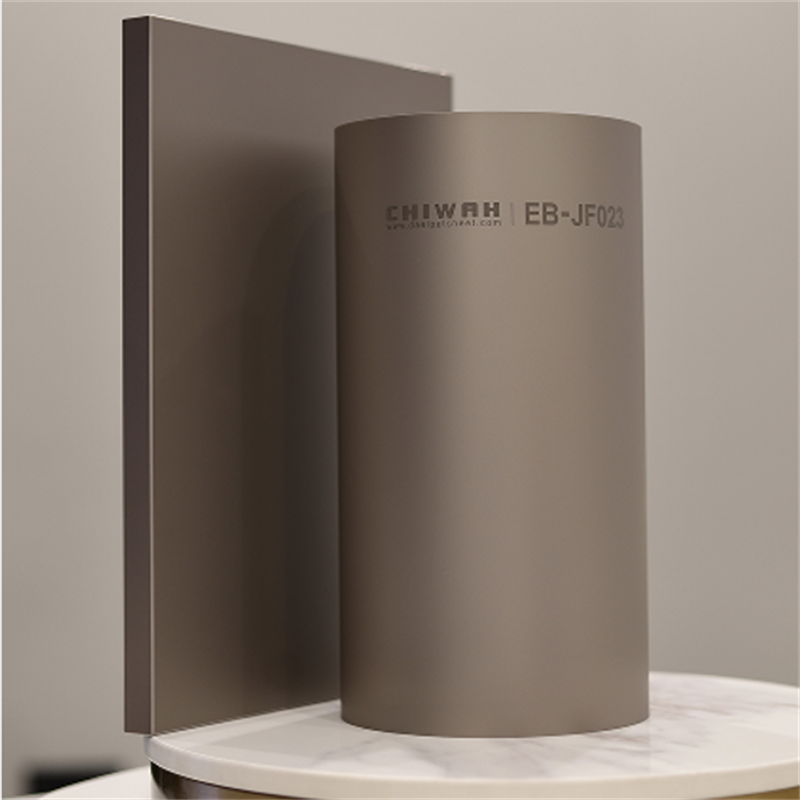
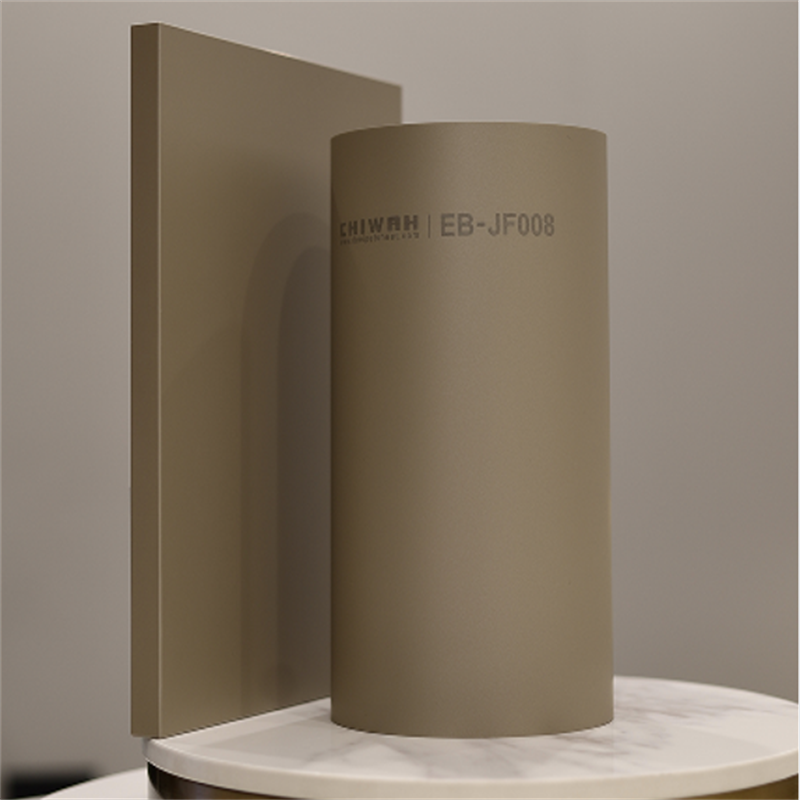
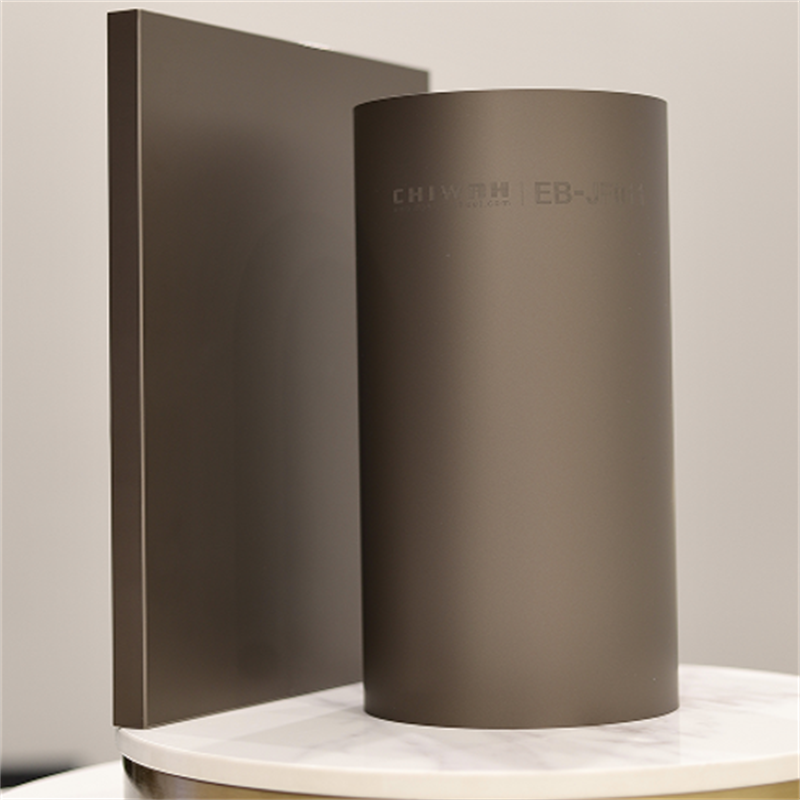
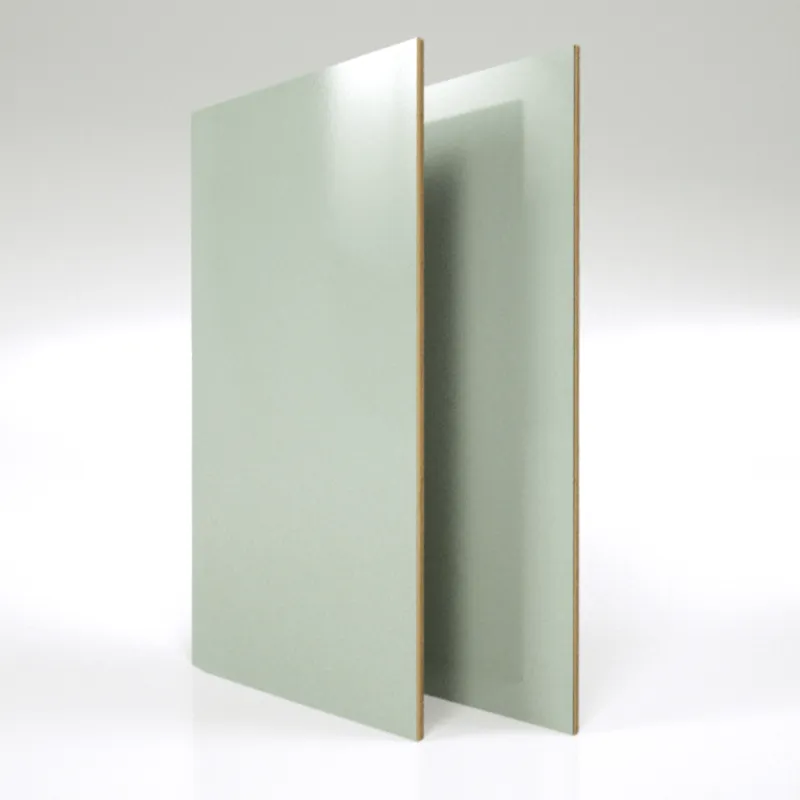
HMR board has a variety of surface treatments, and can be decorated with veneer, spray paint and other decorations, which makes it have good aesthetics and can meet the needs of different home styles.
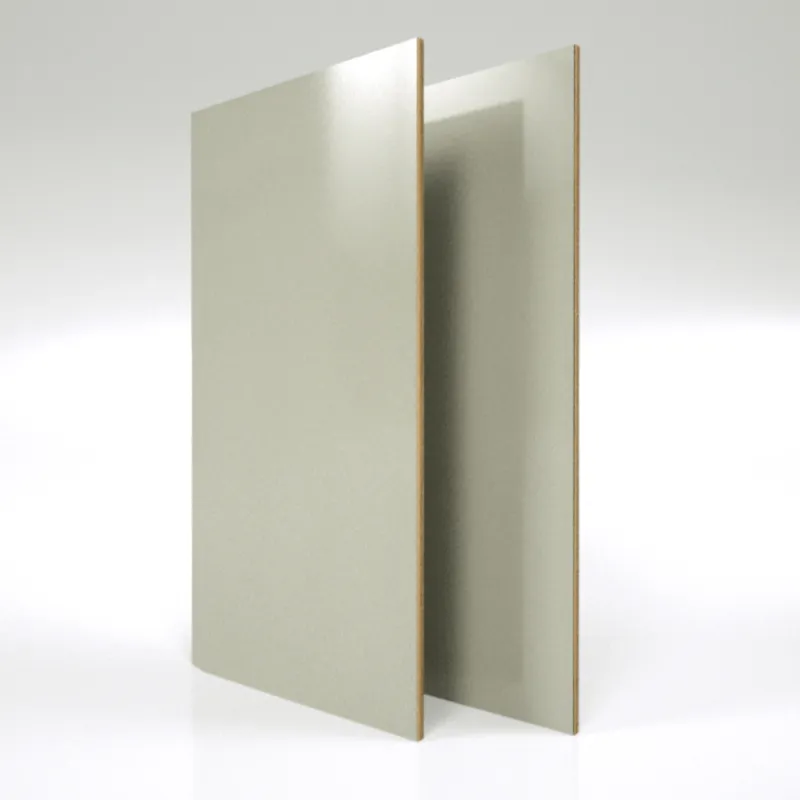
What are the disadvantages of HMR board?
Disadvantages of HMR board: high price, heavy weight, and general fire resistance.
1. Higher price
Due to the addition of moisture-proof agent and special process in the production process of HMR board, its cost is higher than that of ordinary boards, resulting in a relatively high market price. For consumers with limited budgets, the high price of HMR board may become a limiting factor.
2. Heavy weight
The high density of HMR board makes it heavier, which requires more effort and time during transportation and installation. In addition, the weight of HMR board may also cause inconvenience for furniture that needs to be moved frequently.
3. Average fire resistance
Although HMR board performs well in moisture resistance, its fire resistance is relatively average. In high temperature environment, HMR board may be deformed or damaged to a certain extent. Therefore, HMR board is not the best choice in places where high fire resistance is required.
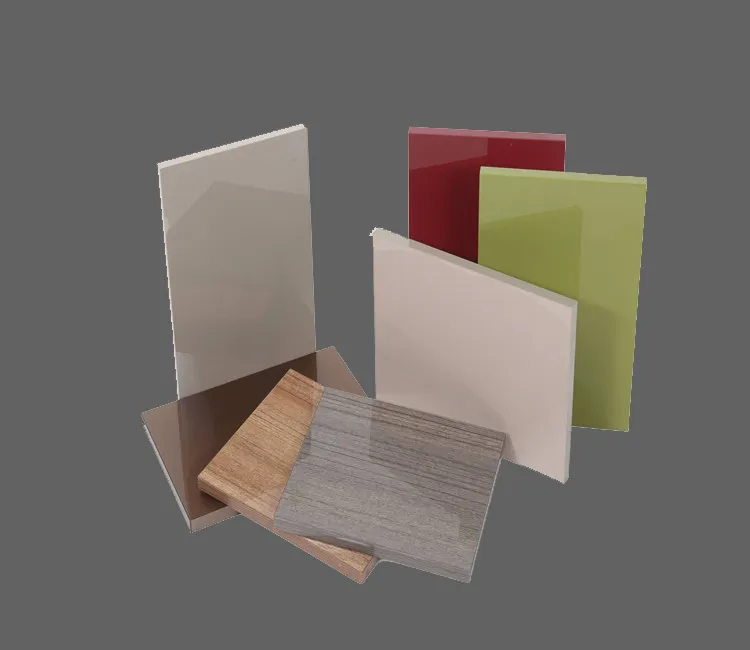
What is the difference between HMR board and other boards?
In order to fully understand the advantages and disadvantages of HMR board, we need to compare it with other common boards, including medium-density fiberboard (MDF), particleboard and solid wood.
1. HMR board vs. Medium Density Fiberboard (MDF)
● Moisture-proof performance: HMR board has significantly better moisture-proof performance than MDF. MDF easily absorbs moisture and expands in a high humidity environment, while HMR board can remain stable.
● Strength and density: HMR board and MDF have similar densities, but HMR board is slightly better in strength and hardness.
● Environmental performance: There is little difference in environmental performance between the two, and modern production processes can ensure low formaldehyde emissions.
● Price: The price of HMR board is higher than MDF.
2. HMR board vs. Particleboard
● Moisture-proof performance: HMR board has much better moisture-proof performance than particleboard, which is easy to expand and deform in a humid environment.
● Strength and density: HMR board has significantly higher density and strength than particleboard.
● Environmental performance: Particleboard has relatively poor environmental performance and higher formaldehyde emissions, while HMR board is more environmentally friendly.
● Price: Particleboard is cheap and is a low-cost option, but its performance is not as good as HMR board.
3. HMR board vs. solid wood board
●Moisture-proof performance: Solid wood boards are easily affected by humidity and have a high risk of deformation and cracking, while HMR boards have better moisture-proof performance.
●Strength and density: The strength and hardness of solid wood boards depend on the type and quality of wood, while HMR boards have stable high strength and high density.
●Environmental performance: Solid wood boards are naturally environmentally friendly, but attention should be paid to the source of wood and chemical treatment during processing. HMR boards use low formaldehyde adhesives and are also environmentally friendly.
●Price: High-quality solid wood boards are expensive and suitable for the high-end market, while HMR boards are moderately priced and cost-effective.
Conclusion
As a new type of high-moisture-resistant fiberboard, HMR boards have shown broad application prospects in home decoration and furniture manufacturing with their excellent moisture-proof performance, high strength and environmental protection characteristics.
Through continuous innovation and upgrading, HMR boards are expected to become an indispensable and important material in modern home life, providing consumers with a better quality and environmentally friendly home experience.