




With the development of modern technology, plastic films are used more and more widely. Among many plastic film materials, PETG has received widespread attention due to its excellent performance and environmental protection characteristics.
So, is PETG plastic film safe? Is it toxic? This article will explore this topic in detail to help readers fully understand the safety and environmental performance of PETG plastic films.
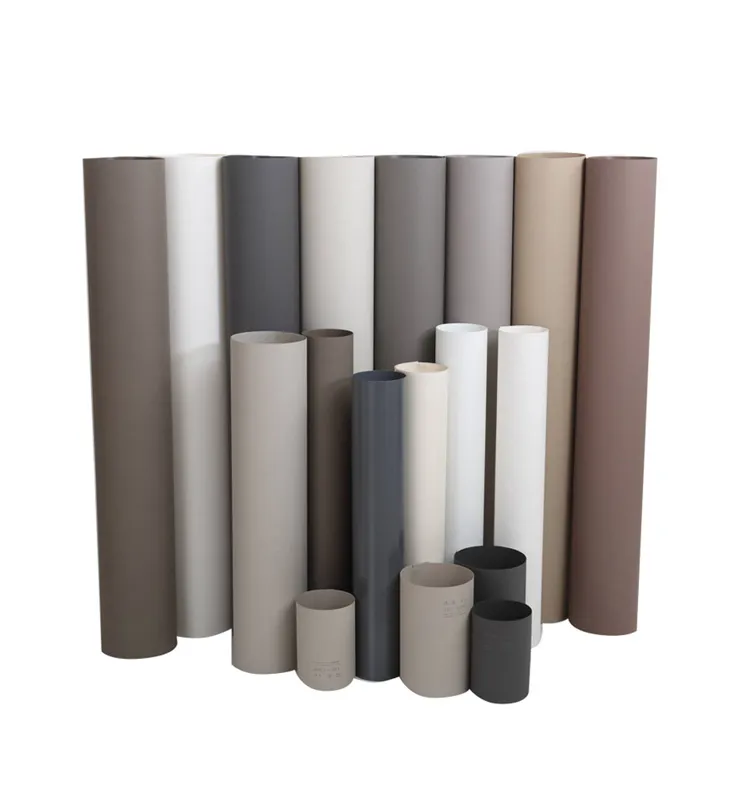
What is PETG plastic film?
Definition of PETG plastic film:
PETG (polyethylene terephthalate copolymer) is a thermoplastic polymer copolymerized from terephthalic acid, ethylene glycol, and cyclohexanedimethanol (CHDM). Compared with traditional PET (polyethylene terephthalate), PETG has higher transparency, impact resistance and processability, so it has been widely used in food packaging, medical equipment, electronic products and other fields.
Characteristics of PETG plastic film:
PETG film has excellent transparency and high light transmittance, and can clearly display the internal products. This gives PETG films significant advantages in food packaging and display packaging. The impact resistance of PETG film is better than that of traditional PET, and it can withstand large external impacts without being easily broken. This makes PETG films excellent at protecting products and suitable for packaging applications requiring high-strength protection.
PETG film has good thermoformability and processability, and is easy to undergo various processing, such as thermoforming, extrusion, blow molding, etc. Its processing performance is superior and it can meet diversified product needs. PETG is an environmentally friendly material that does not contain harmful substances, can be recycled, and has little environmental pollution. It meets the needs of modern society for environmentally friendly materials and is widely used in various green packaging and environmentally friendly products.

Is PETG plastic film (Film) safe?
In order to verify whether PETG plastic film is safe, we will analyze it from the aspects of food contact, PETG material, chemical resistance, and antibacterial performance.
1. Food contact safety:
PETG film is often used in food packaging, and its safety has attracted much attention. In accordance with relevant regulations and standards, PETG film has undergone strict safety testing and certification and meets the safety requirements for food contact materials. PETG materials will not release harmful substances under normal temperature and heating conditions, and will not cause food contamination, ensuring food safety.
2. Non-toxic:
PETG material itself is non-toxic and harmless, and does not contain heavy metals, phthalates and other harmful substances. During production and use, PETG materials do not release toxic gases or harmful substances and are harmless to human health. Its non-toxic properties make PETG film widely used in fields with high safety requirements such as medical devices, food packaging and children's products.
3. Chemical resistance:
PETG film has good resistance to a variety of chemicals and is not easily corroded by acids, alkalis, grease and other substances. This makes PETG film excellent in chemical packaging and protection, ensuring the safety and stability of packaging.
4. Antibacterial properties:
Through special treatment, PETG film can also have antibacterial properties, effectively inhibiting the growth of bacteria and microorganisms. This characteristic makes PETG film safer and can provide better hygiene protection in the medical and food packaging fields.

Is PETG plastic film environmentally friendly?
PETG is a recyclable and environmentally friendly material. At the end of its service life, PETG film can be recycled and reused, reducing resource waste and environmental pollution. Its recyclability meets the requirements of modern society for sustainable development and promotes the development of green economy. PETG materials consume less energy and have small carbon emissions during the production process. Compared with other plastic materials, the production of PETG has a smaller impact on the environment, helping to reduce greenhouse gas emissions and mitigate climate change issues.
Although PETG film itself is not a biodegradable material, by adding biodegradants or using blending technology, PETG films can be made biodegradable to a certain extent. This characteristic adds new highlights to the environmental protection performance of PETG film, giving it broader application prospects in the field of environmentally friendly packaging materials. PETG film does not release harmful substances during use and is harmless to the environment and human health. Its excellent environmental performance makes PETG film widely used in various green packaging and environmentally friendly products.
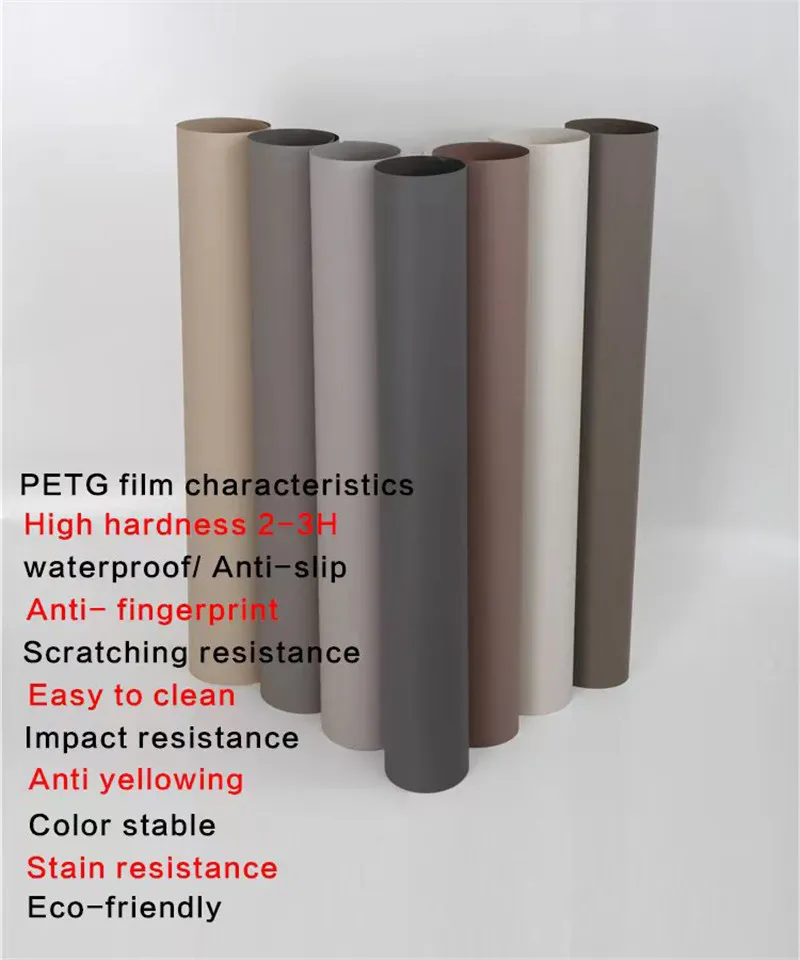
Market prospects of PETG plastic film
As people's awareness of environmental protection and safety continues to increase, the market prospects for PETG plastic films are very broad. Globally, environmental protection regulations are becoming increasingly strict, and traditional plastic materials are facing environmental pressure. PETG plastic film is gradually becoming the mainstream choice in the market due to its excellent environmental performance and compliance with modern society's demand for environmentally friendly materials.
As materials science and manufacturing processes continue to advance, the performance and application range of PETG plastic films are also expanding. The application of new materials and new processes has continuously enhanced the market competitiveness of PETG plastic films. Consumer demands for food safety, medical hygiene and environmentally friendly packaging are increasing, and there is a strong demand for high-quality, high-performance packaging materials. PETG plastic film is gradually winning the favor of consumers due to its excellent physical properties and environmental protection characteristics.
In conclusion
To sum up, PETG plastic film is a high-performance, environmentally friendly and safe packaging material. Its high transparency, impact resistance, non-toxicity and good environmental performance make it have broad application prospects in the fields of food packaging, medical equipment, electronic products, industrial packaging and daily necessities.